Pasar al contenido principal
Inicio

Main navigation

  • Acerca de
  • Unirse
  • Recursos
  • Iniciativas
    • Desafío de la salud por el clima
    • Menos huella, más salud
    • Hospitales que curan el planeta
    • Carrera hacia el cero
    • Menos plástico, más salud
    • CARE
  • Agenda global
  • Noticias
  • en
  • es

Additional header menu

  • Acceder a Conectad@s

Resultados de búsqueda

Fundado 302 resultados
Página
Transporte
The Issue Transportation is a major source of air pollution throughout the world, creating significant health impacts, particularly in urban areas. Exposure to carbon monoxide, sulfur dioxide, and nitrógeno dioxide can cause respiratory illness and alter the lung’s defense systems. The health sector – with its fleets of ambulances, hospital vehicles, delivery vehicles, and staff and patient travel – is a transportation-intensive industry. Air pollution impacts from health care are concentrated near large-scale hospital facilities. Shifting to hybrid technologies, all-electric vehicles, as well as compressed natural gas or some bio-fuels all have the net impact of reducing emissions for fleet vehicles such as ambulances and vans. Encouraging hospital staff and patients to use bicycles, public transportation and carpools can also help reduce the air pollution emissions related to health care facilities. In summary, transportation choices have a huge impact on the communities within which hospitals are situated. Action Items Improve transportation strategies for patients and staff. Develop transportation and service delivery strategies that reduce hospitals’ climate footprint and their contribution to local pollution.
Página
Alimentos
The Issue The globalization of a western diet based on excessive saturated fats, refined carbohydrates and processed foods, together with increasingly sedentary lifestyles, are contributing to epidemics in obesity, diabetes and cardiovascular disease in many countries. Health-care facilities in many countries are major consumers of food and can therefore model and promote health and sustainability through their food choices. A growing number of health-care facilities in developed and developing countries that purchase and serve food to patients and workers are reducing their environmental footprint and improving patient and worker health by making changes in hospital service menus and practices. These include limiting the amount of meat in hospital meals, cutting out fast and junk food, composting food waste, buying locally and sustainably farmed produce – thereby promoting local, sustainable production, producing their own food onsite, and holding farmers’ markets for local producers to sell healthy food to the community. By promoting and supporting nutritious, localized sustainable food systems, hospitals can both reduce their own immediate footprint while supporting food access and nutrition, thereby helping to foster the prevention of disease, a reduction in the health sector’s environmental health impacts and contributing to a longer-term reduction in the population’s need for healthcare. Action Items Purchase and serve sustainably grown, healthy food. Reduce hospitals’ environmental footprint while fostering healthy eating habits in patients and staff. Support access to locally and sustainably sourced food in the community.
Página
Productos farmacéuticos
The Issue Pharmaceutical waste can be found in trace amounts in soil and groundwater throughout the world. This waste comes from a variety of sources, including hospitals. Levels of pharmaceuticals in the environment are likely to rise in years to come, as the global demand for pharmaceuticals grows. In countries and hospitals where there are an abundance of pharmaceuticals, health systems can play an essential role in reducing pharmaceutical waste by reducing the amount of drugs prescribed, and by addressing the waste problem in their own facilities and at the policy level. Action Items Prescribe appropriately, safely manage and properly dispose of pharmaceuticals. Reduce pharmaceuticals pollution by reducing over-prescription practices, minimizing inappropriate pharmaceutical waste disposal, promoting manufacturer take-back, and ending the dumping of pharmaceuticals as part of disaster relief. The Problem of Pharmaceutical Pollution and Safer Pharma More than 600 pharmaceuticals and their metabolites have been found in the environment worldwide; this impact on the environment has implications for human health including antimicrobial resistance. Learn more in this new animated video from HCWH Europe  
Página
Edificios
The Issue The built environment influences health. A host of contemporary environmental health problems – climate change, toxic pollution, biodiversity loss and more – can be linked to the production and maintenance of the built environment. As development accelerates in many regions, the production of buildings becomes more resource intensive, stressing local and indigenous building material supplies and methodologies beyond their sustainable capacities. The health sector has the potential, through its market power, to influence the construction industry to develop safer, more resilient, greener and healthier building products and systems. The significant environmental and health impacts associated with hospital buildings have led to the creation and adoption of a wide variety of “green building” tools and resources related to healthcare. Action Items Aspire to carbon-neutral building operation. Protect and restore natural habitat; minimize the combined footprint of building, parking, roads and walks. Use high reflectance roofing and paving, or “green roof” systems and pervious paving, in order to reduce urban heat island impacts, manage stormwater and promote habitat. Design within local natural and social contexts in order to better integrate the building with the community and natural environment. Site facilities in accordance with solar orientation and prevailing wind. Employ passive systems wherever possible to provide increased resilience and redundancy – use narrow floor plates for daylighting and natural ventilation. Prioritize health impacts of material extraction, transport, use and disposal in assessing them for use in health care settings, and use materials that are replenishable and support human and ecosystem health in all phases of their life cycle. Support the use of local and regional materials (reducing transportation energy), utilize salvaged and recycled materials (reducing energy otherwise expended on new production). Avoid materials such as lead and cadmium-containing paint and coatings, as well as asbestos. Substitute materials containing persistent bio-accumulative toxic chemicals (PBT’s), including PVC, CPVC, and halogenated and brominated flame retardants, with safer alternatives. Create civilized built environments that foster inhabitant choice and control, advanced indoor air quality (through natural ventilation and mechanical systems), lighting and acoustical settings that reduce stress and support health and productivity. Refer to guidelines created by national or regional green building organizations. Advocate for policy guidelines and public funding that support green and healthy buildings.
Página
Compras sostenibles
The Issue Hospitals and health systems purchase a broad diversity of products ranging from chemicals, electronics and plastics, to energy, pharmaceuticals and food. Creating and implementing green and ethical purchasing policies can play a central role in implementing many of the goals of the Green and Healthy Hospitals Agenda. The health sector spends huge amounts of money on purchasing goods. Healthcare purchasing results in a significant environmental impact and can also have significant human rights impacts. By harnessing its tremendous purchasing power in many countries, the health sector can impact the supply chain, compelling manufacturers to provide safer, more environmentally sustainable products, produced under healthy working conditions and in accordance with international labor standards. Action Items Buy safer and more sustainable products and materials Source sustainably produced supply chain materials from socially and environmentally responsible vendors.
Staff training at SOH
News
Nuevo estudio de caso | Programa de reducción de energía del Hospital Oncológico Shefaa Al-Orman
El Hospital Oncológico Shefaa Al-Orman (SOH), un centro especializado en el tratamiento del cáncer en Egipto, ha implementado con éxito una estrategia integral de sostenibilidad para mejorar la eficiencia energética, lo que ha resultado en una reducción de los costos operativos y del impacto ambiental de sus operaciones.
Edición 2023 - Premios Menos huella, más salud
News
Convocatoria | Premios «Menos huella, más salud» 2023
Ya cerró la convocatoria para postular al programa de premios Menos huella, más salud 2023, destinado a los miembros de la Red Global de Hospitales Verdes y Saludables en América Latina.
Checkup-cover-image-739x587-1.jpg
News
Novedades sobre la herramienta de monitoreo del impacto climático: nuevos idiomas, contenidos actualizados y lanzamientos
Diseñada para ayudar a instituciones y sistemas de salud a medir y reducir su huella de carbono, nuestra herramienta ha sido actualizada con nuevas fuentes de gases de efecto invernadero y ahora también está disponible en bahasa Indonesia y mandarín tradicional.
Edición 2023 - Premios Menos huella, más salud
News
Edición 2023 | Se anunciaron los ganadores de los premios del programa “Menos huella, más salud”
Salud sin Daño dio a conocer las instituciones ganadoras de la edición 2023 de los premios del programa Menos huella, más salud, una iniciativa que desde 2016 se repite exitosamente.
Curso en línea sobre la herramienta de monitoreo del impacto climático
News
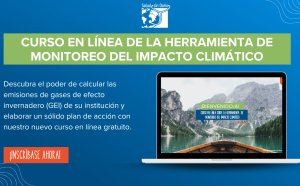
Lanzamiento | Curso en línea sobre la herramienta de monitoreo del impacto climático
Descubra nuestro curso en línea gratuito, diseñado para brindar apoyo integral a las instituciones y sistemas de salud en todo el mundo en su camino hacia prácticas de atención médica resilientes al clima, con bajas emisiones de carbono y sostenibles en escenarios reales.
Página
Premios «Menos huella, más salud» Ganadores de la convocatoria 2023
¡Conozca cuáles son las instituciones ganadoras de la convocatoria 2023!   
Página
Desafío de la salud por el clima 2023
The 2023 awards program has introduced new criteria and categories to acknowledge the steadfast commitment and remarkable achievements in climate action by hospitals and health systems worldwide. Under the new Health Care Climate Challenge, we spotlight three categories of participants: Health Care Climate Champions Health Care Climate Winners Health Care Climate Commitment Cohort of 2023

Paginación

  • Primera página first
  • Página anterior previous
  • …
  • …
  • Siguiente página next
  • Última página last
Inicio

La Red Global de Hospitales Verdes y Saludables es una iniciativa de Salud sin Daño

Footer menu

  • Acerca de
    • Red Global
    • Agenda Global
    • Unirse a la red
    • Sobre Salud sin Daño
  • Recursos
    • Conectad@s
    • Hipócrates
    • Documentos guía
    • Estudios de caso
    • Seminarios web
  • Iniciativas
    • Desafío de la salud por el clima
    • Menos huella, más salud
    • Hospitales que curan el planeta
    • Carrera hacia el cero
    • CARE
Copyright 2026
Términos de uso - Política de privacidad
LinkedIn Bluesky Youtube Facebook